

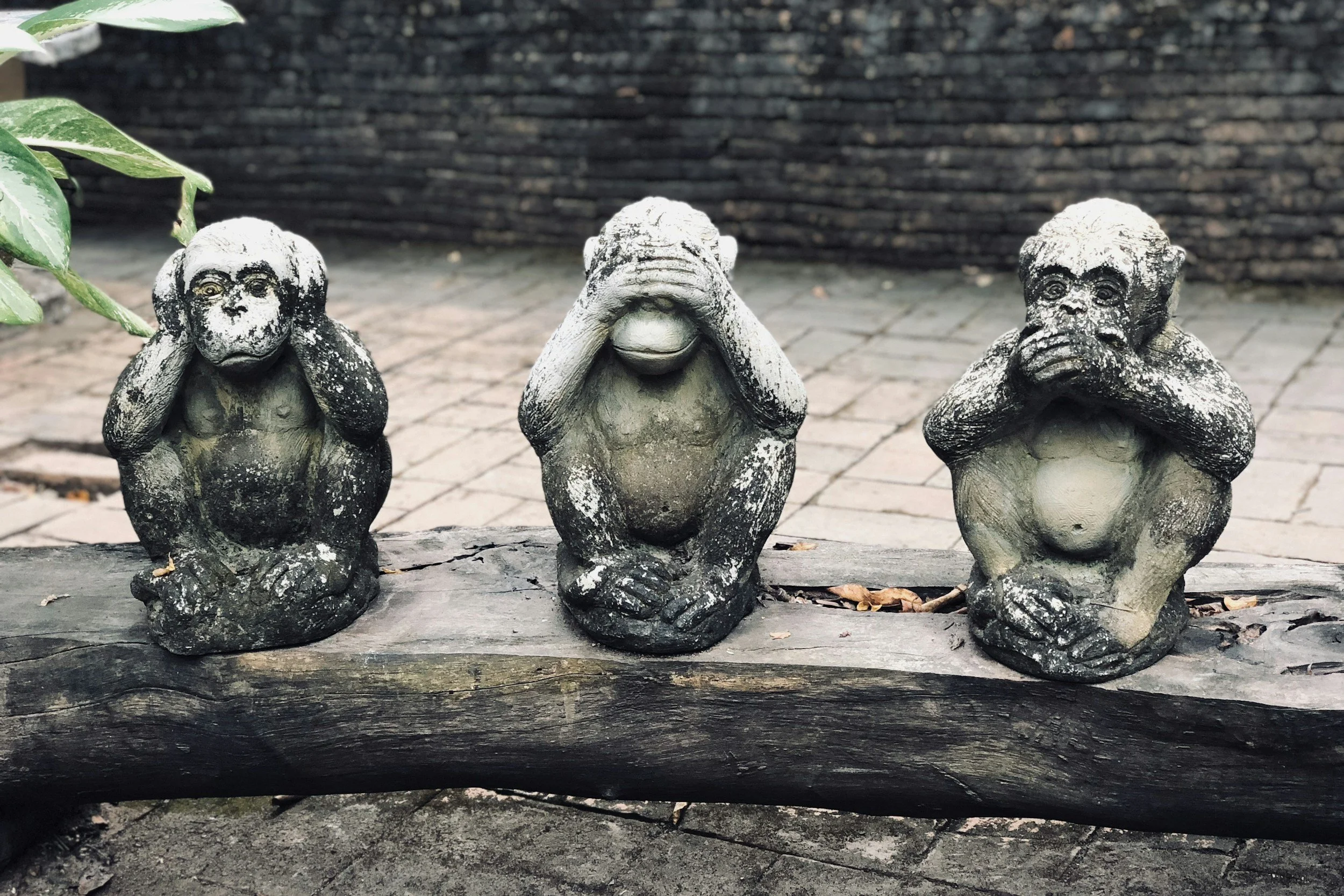
We tell ourselves a small, comforting lie: that we are always objective, rational, and never wrong. It feels like a harmless bit of self-preservation, but this lie is the primary reason we are living through such challenging times.
From staggering wealth inequality and housing crises to a deteriorating environment, our problems are urgent; yet our public discourse seems incapable of making progress. We see narratives pushed by the media and the general public in defiance of evidence. Conversations move us no closer to the truth, devolving instead into aggression and dismissiveness.
These unproductive discussions are caused not by a lack of correct information; there is plenty of it available. Rather, it is that when people are confronted with evidence of errors in their worldview, they deceive themselves into believing no such error exists. Deep down, they are aware of the mistake, yet they cannot admit it to themselves at a conscious level. Their minds create a divide between the truth they recognize at a subconscious level and the fiction at the conscious. A divide they desperately try to preserve by rejecting any evidence that pushes them to reconcile the two views.
As such, they become unwilling to openly discuss their misconceptions, as doing so would shatter the self-deception that their worldview is 100% correct. Until we can all see where we are mistaken, we will never be able to fix what is broken in the world.
Why the Lie Feels Safe
That we struggle to openly admit to others we are wrong is no surprise, but why do we struggle to admit it to ourselves? It is because when we acknowledge an error in our thinking, it can produce emotional distress. Since these feelings are uncomfortable to experience, we reflexively want to avoid them. One way of doing so is pretending we’re not wrong and ignoring any evidence to the contrary. Going along with this lie allows us to feel safer than facing the mistake.
This emotional distress comes in two forms:
Feelings of Destabilization: Our understanding of the world is our map for navigating it. When that map is challenged, we feel a loss of control. For many, the prospect of being "adrift" without a reliable map is terrifying.
Feelings of Low Self-Worth: Many of us have been conditioned to tie our value as human beings to being right. In this mindset, being "wrong" isn't just a mistake: it is a devaluation of our very self.
Due to these specific forms of discomfort, people will often view facts that contradict them as threats to their identity or stability rather than an invitation to the truth.

We often label those who cling to obvious falsehoods as "stupid." More often than not, this is a mischaracterization. It is not that they lack the logical ability to understand they are mistaken. Deep down, they do understand. It is just that their logical thinking has become emotionally interfered with by the distress they are trying to bury. Research into Identity Protective Cognition shows us that even highly intelligent people will subconsciously warp logic specifically to protect their sense of belonging or their self-worth.
To misdiagnose the problem as a lack of intelligence is dangerous because we end up prescribing ineffective solutions. We think we need to bombard people with logic and facts, but the internal distress causes them to reject this information. Or we write them off completely as a "lost cause" and do not bother trying to talk to them at all.
How can we resist lying to ourselves?
Not everyone who faces a mistake lies to themselves about it. This is because they have the mental fortitude to withstand the emotional distress that comes with being wrong. They can be honest with themselves about flaws in their thinking. Conversely, those lacking the mental strength to sit with these uncomfortable feelings will reflexively lie to themselves.
With this in mind, there are two angles from which we can all attack this problem:
1. Increase Our Mental Fortitude
When we focus on what we lose by lying to ourselves—our personal growth and our collective progress—we generate more willpower to withstand the distress. This increased resolve becomes the mental strength we need to better handle such uncomfortable feelings.
2. Reduce the Emotional Distress
We can lower the intensity of the emotional discomfort by changing how we analyze the mistake we’ve encountered:
Refuse to Catastrophize: Feelings of destabilization are often triggered because we overestimate how much an error undermines our entire worldview. A single flaw does not mean the whole framework is broken. We can be more precise with understanding the error’s impact. We should also regard the mistake more as an opportunity to fix the map and increase our control over reality, not lose it.
Untether Your Worth: We can reduce feelings of low self-esteem by decoupling our value as human beings from the act of being correct. You can be wrong without being a "lesser" person. Everyone makes mistakes.
To appreciate the distinction between these two angles, think of carrying a backpack. Increasing your mental fortitude is like strengthening your back muscles to carry heavier loads; whereas reducing emotional distress is like lightening the pack’s contents. By doing both, we become significantly better at being honest with ourselves.
Helping Others Break the Cycle
There is an urgency to help others break the pattern of self-deception as our collective problems are too big to solve on our own. We can’t afford to leave people on the sidelines.
It is often challenging to help someone break out of such protective tendencies. The lower a person’s mental resilience, the more intensely they will cling to a falsehood and stay behind their defensive wall.

Instead of merely arguing the facts, help them recognize the patterns of their own denial. For example, they may avoid answering a question directly or try to quickly change topics. In addition, we should share techniques to increase mental fortitude and reduce the emotional distress of encountering a mistake. Only when the need for internal protection is reduced can a conversation based on logic and evidence flow. By encouraging the capacity for self-honesty, you create the only environment where the truth is not just heard, but fully accepted.
The Hidden Conflict at the Heart of our Politics
It is tempting to characterize the dominant political struggle as being between the Left and the Right. While this is what we perceive, it is merely an overlay that hides the more fundamental conflict: the struggle between self-honesty and self-deception.
Each person, regardless of party, possesses both behaviors. We all have moments of self-honesty and moments where we fall to self-deception. This tug of war is happening inside each and every one of us, just to different degrees. In a sense, each of us is contributing to both sides of this fundamental societal struggle. Including me.
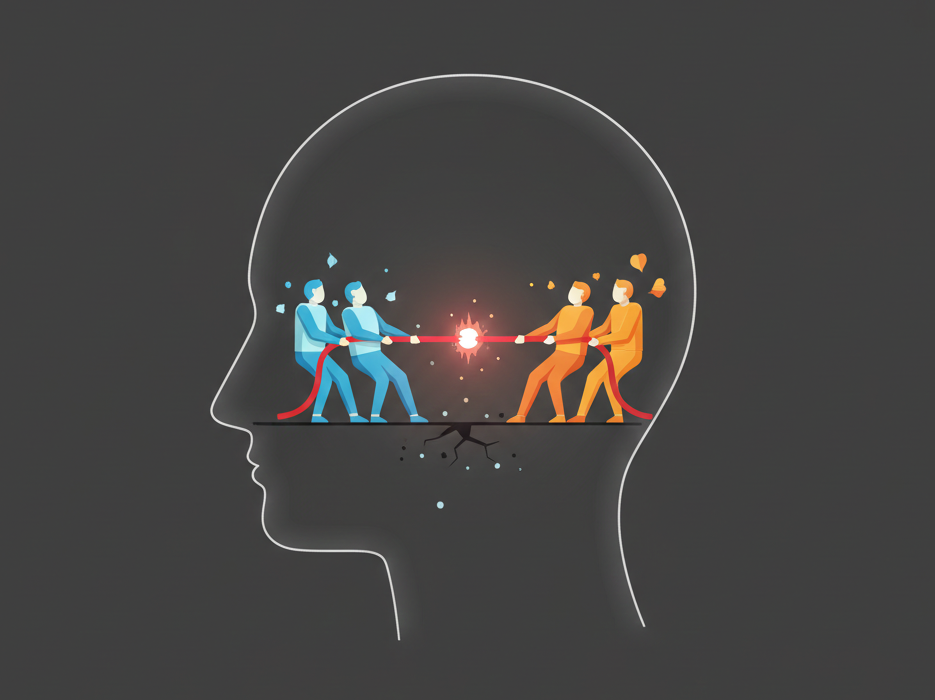
It would be a mistake not to acknowledge this vulnerability that we all possess. While we cannot eliminate it entirely, we can take steps to minimize it. When we do this together, we can much more quickly rally behind the correct solutions and advance our shared interests.
The rewards of self-honesty are not just found at the collective level, but at the individual one too. When a person has a stronger ability to accept the truth, they attain true mental freedom. This is not the ability to think whatever you want. Rather, it is the fortitude to see what is actually there, no matter what it happens to be, good or bad.
Key Takeaways
The Mental Strength Deficiency: We often blame a lack of information or intelligence for our failures to advance as a society. While these are real hurdles, the primary reason is a deficiency in the mental strength required to handle the emotional distress of being wrong.
Two Forms of Emotional Distress: We struggle to admit errors because we often catastrophize how much a single mistake undermines our entire worldview. We also tend to tether our self-esteem to the act of being right.
Resisting Self-Deception: We can overcome these tendencies by recognizing what is lost when we lie to ourselves, which increases our willpower to withstand the discomfort of being wrong. We can also reduce the emotional distress that emerges by learning to process our errors differently.
The Fundamental Struggle: The real political struggle is not between the Left and the Right. It is the internal tug of war between self-honesty and self-deception that exists within all of us.
